Coffee & local livelihoods
Growing and producing coffee can open conversations about work, local knowledge and the choices behind what we consume.
COMMUNITY & CONSERVATION
People, livelihoods, forests and wildlife. Learn how their stories meet.
In Mae Chaem and surrounding communities, local knowledge offers a way to understand the relationships between daily life, culture and the natural world.
Begin with the connections ↓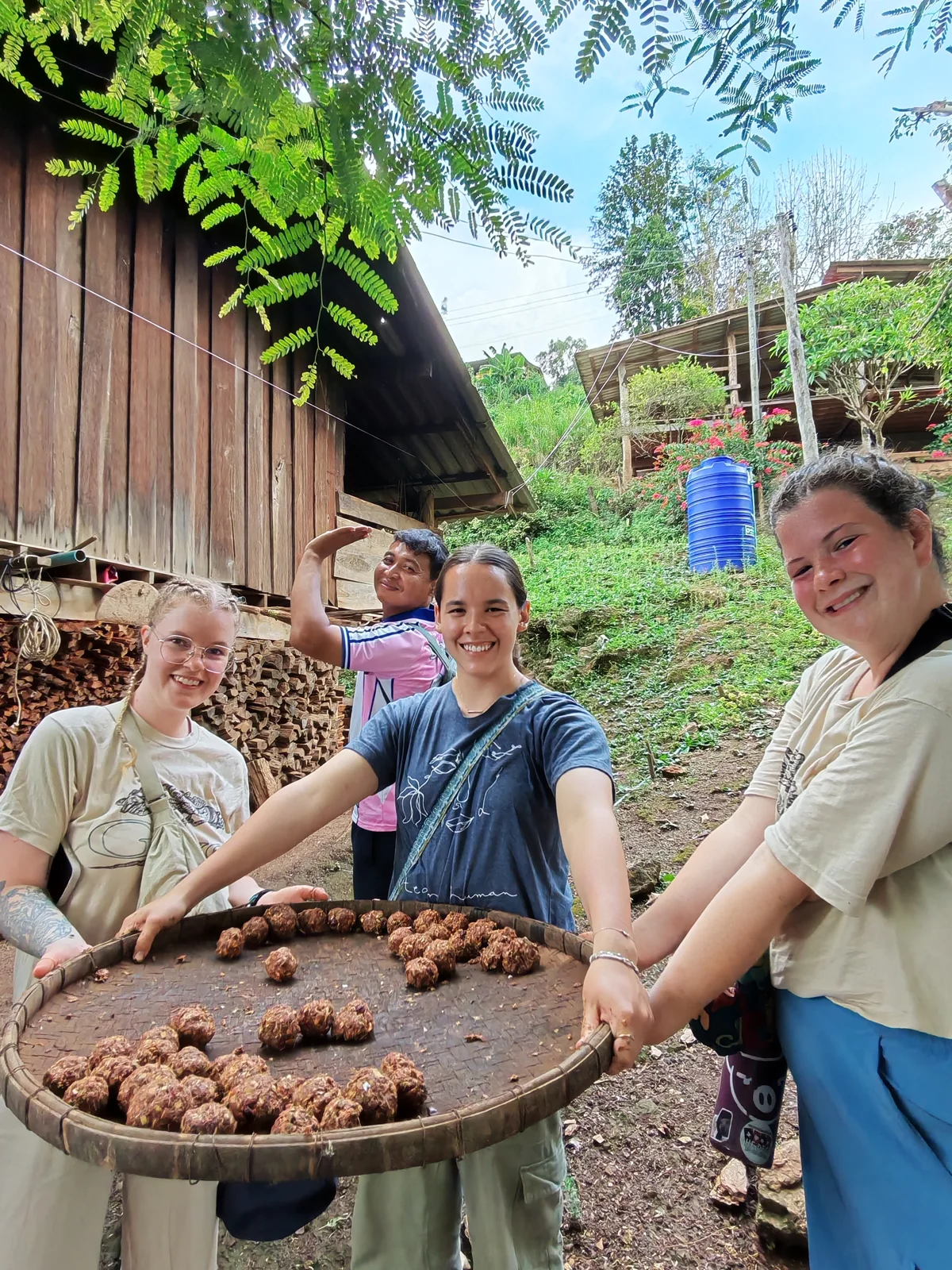
Our local partners are hosts, educators and experts.
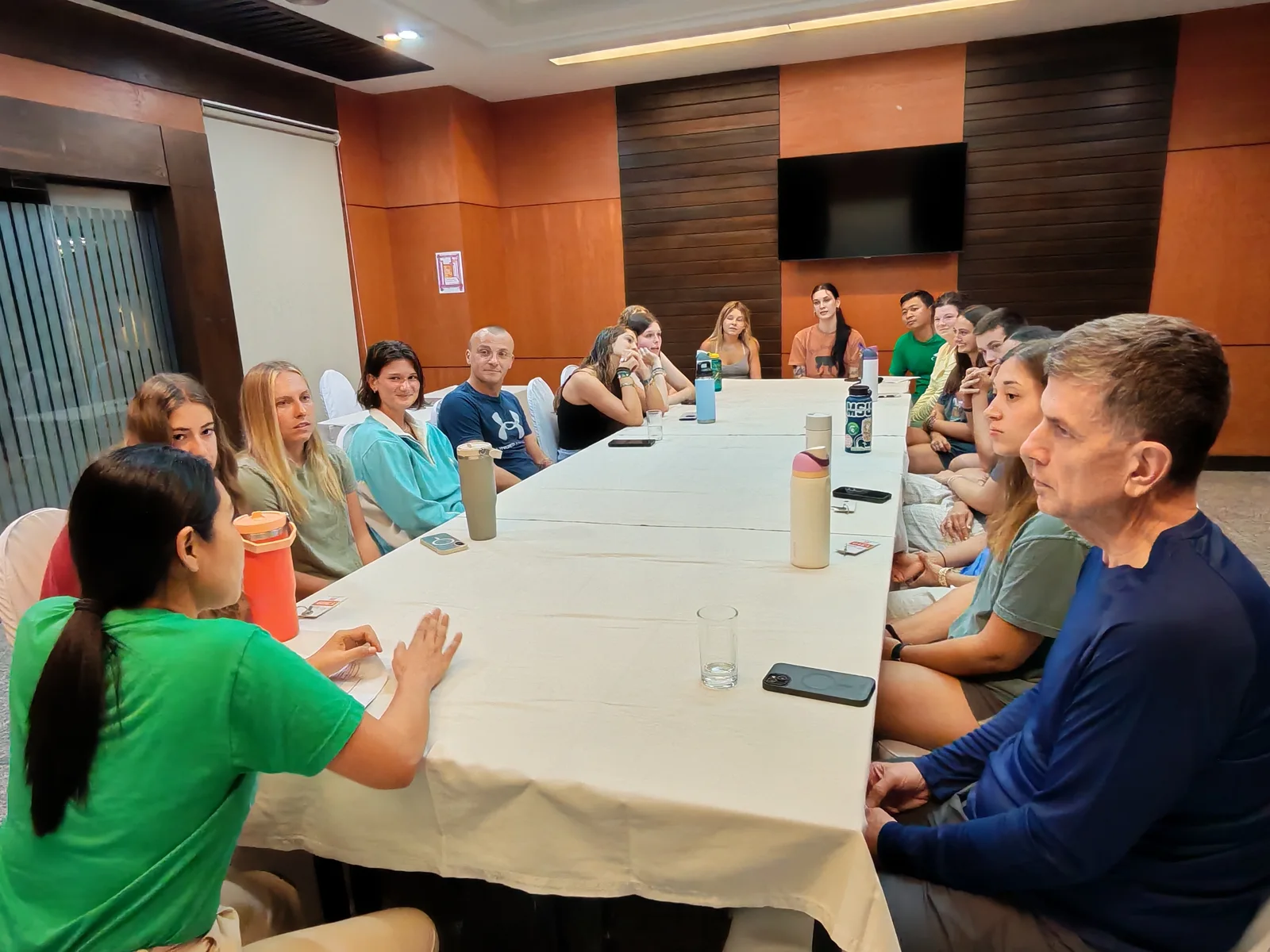
Mahouts, farmers, craftspeople, teachers and community members share their own knowledge and perspectives. They help participants see beyond a single experience to the people and decisions behind it.
Hand2Trunk curates and coordinates each journey through these relationships. Learning begins with listening and develops through conversation and participation.
“They are so welcoming and ready to teach and share their amazing knowledge with you.”— Cameron R
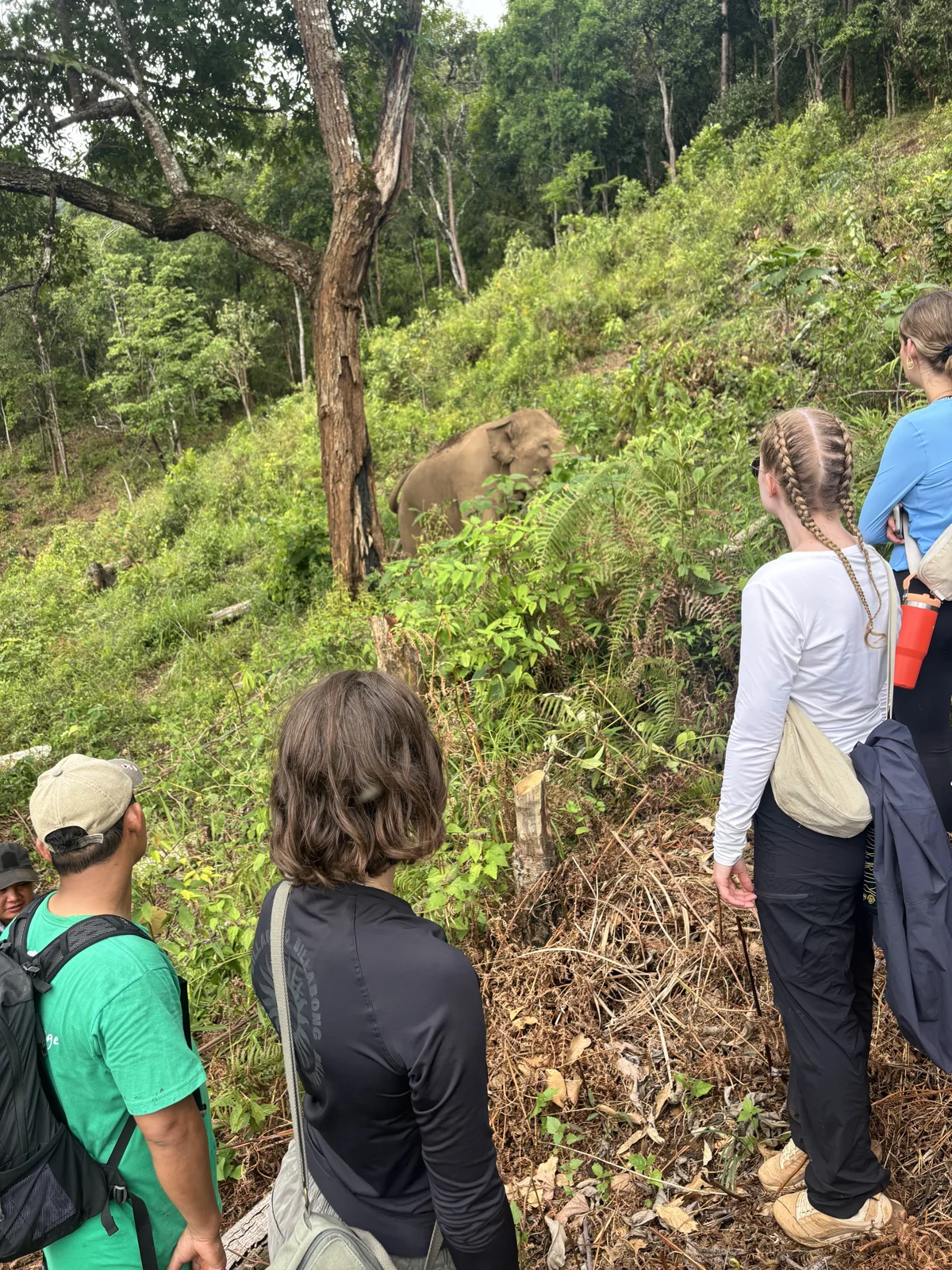
Conservation makes more sense when we understand the lives connected to a place.
Local and mahout knowledge connects elephant learning with the people and landscapes around the animals. Conversations can explore care, livelihoods and the relationships between people and wildlife.
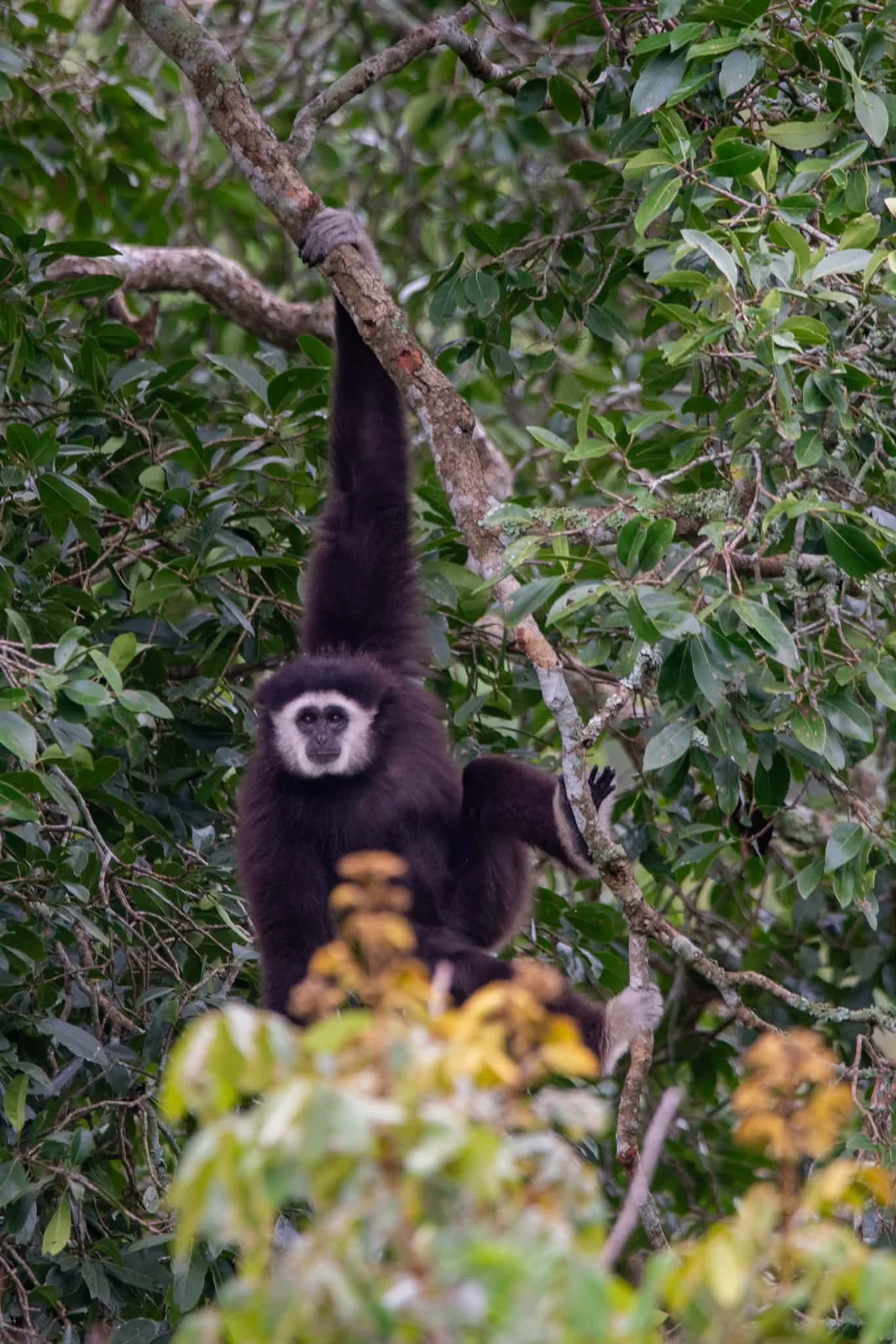
Gibbon conservation opens questions about habitats, endangered wildlife and the importance of forests. The learning can connect what students observe with the wider choices facing people and the natural world.
Each programme is agreed with local partners. The photographs show previous experiences, not a promise of a particular encounter.
Learn from the people behind familiar things — a cup of coffee, a woven cloth, a shared meal.
Growing and producing coffee can open conversations about work, local knowledge and the choices behind what we consume.
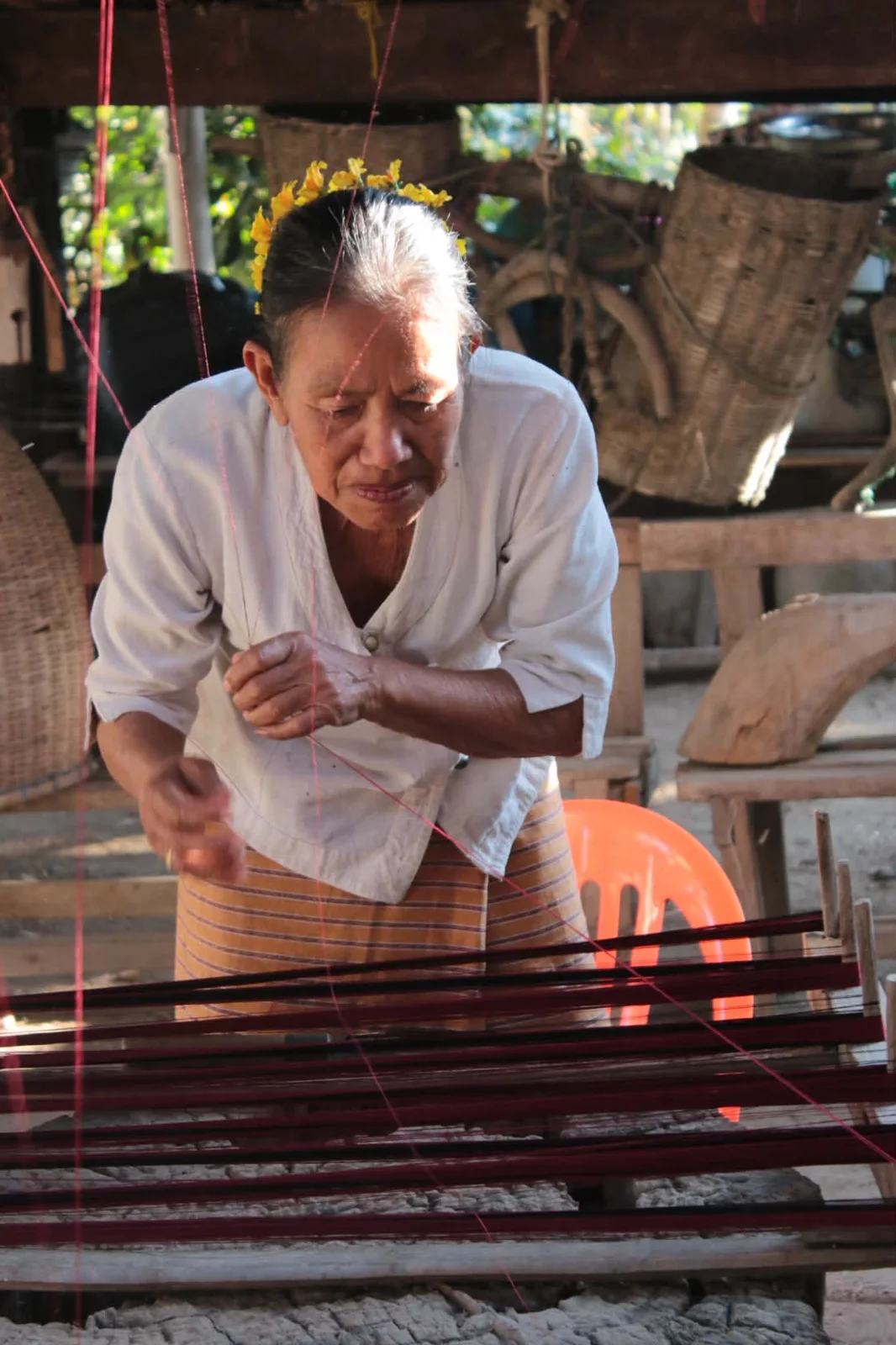
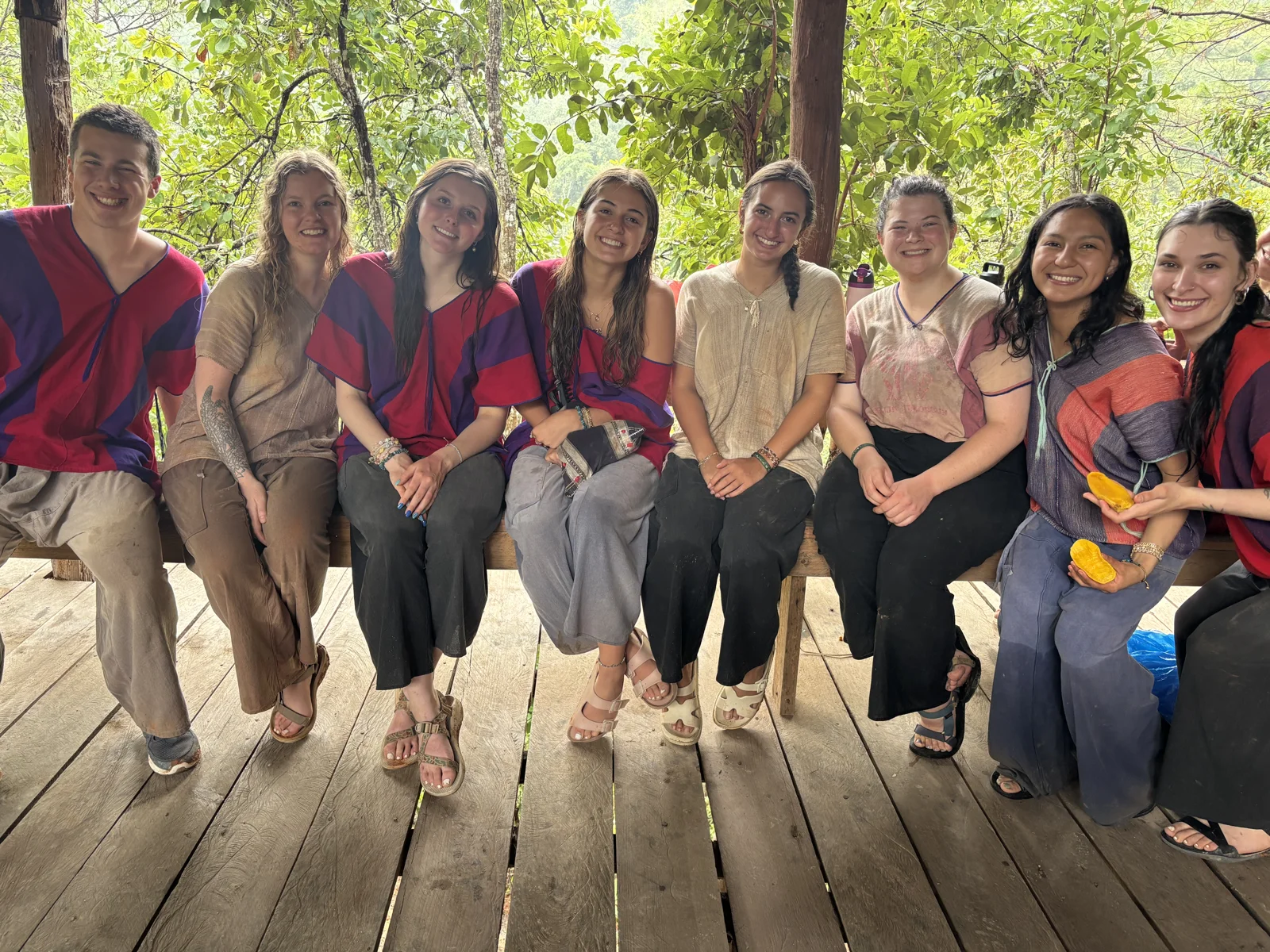
Craftspeople share skills rooted in community life. Listening to their stories connects culture with knowledge, creativity and livelihoods.
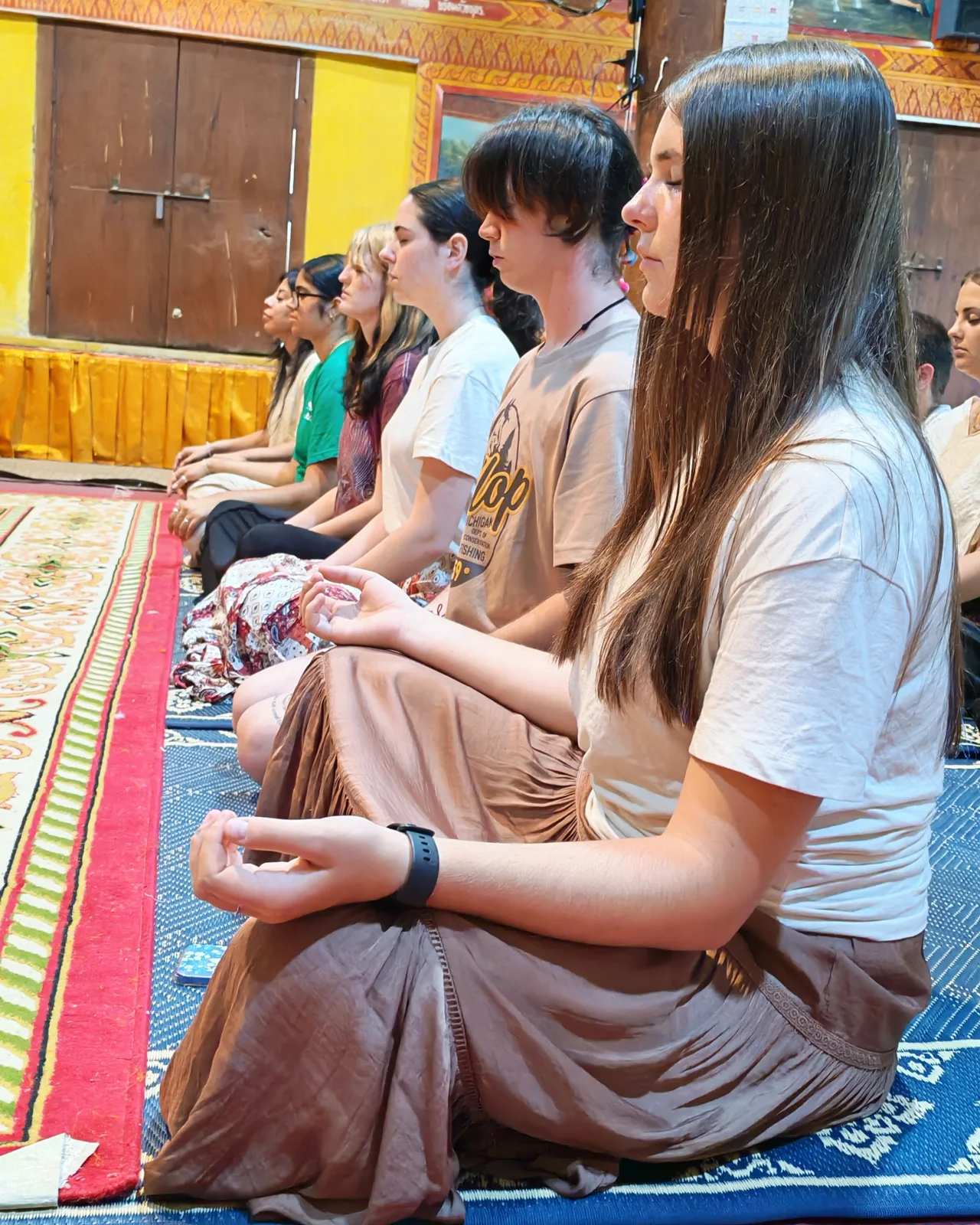
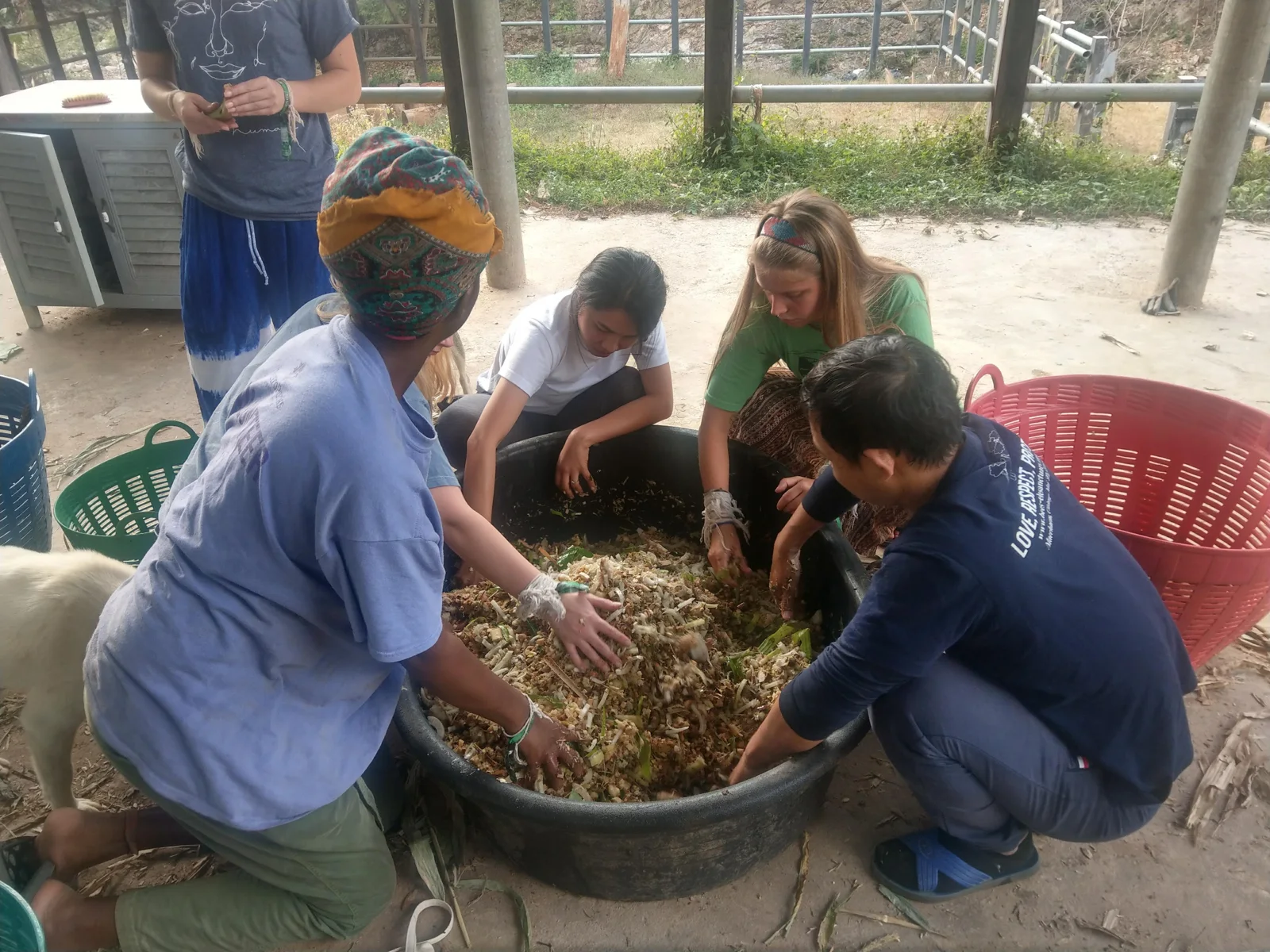
Food preparation and shared cultural experiences offer ways to participate in everyday life and learn directly from local hosts.
Rural communities face questions about livelihoods, opportunities and the future of the places they call home. Rather than arriving with ready-made answers, students can listen to local perspectives and explore how these questions connect.
School and community exchanges, and any practical projects, are shaped with local partners. Listening, collaboration and responsible participation come first.
Real photographs from previous Hand2Trunk experiences. Each new itinerary is agreed separately.
Come and learn with a community, not simply visit one.
For schools, these relationships can become a starting point for inquiry about culture, sustainability, livelihoods and our connections with the natural world.
Explore school tripsMeet the people behind Hand2TrunkLET’S START WITH A CONVERSATION
Tell us about your group, your hopes and the learning you’d like to bring to life.
Start planning your journey