SAFETY & PLANNING
Good journeys begin
with good conversations.
Start with your students, your learning aims and the information your school needs.
Established practices underpin each journey. We work with schools to agree the arrangements, responsibilities and documentation their group needs.
Explore the planning topics ↓Ask the questions
that matter.
Formal risk assessments, staff training and practical preparation are part of how we plan. Share your school’s approval process so we can discuss the relevant documentation and requirements together.
The information here describes our established practices. Specific arrangements and responsibilities are agreed for each group before the journey.
Start a planning conversationSafeguarding & supervision
Hand2Trunk staff receive in-person safeguarding training. We have a written safeguarding and child-protection policy, and staff are required to sign the policy and staff code of conduct.
The code sets professional expectations, including zero tolerance for staff drinking alcohol during programmes. Supervision and the responsibilities of school staff, guides and local partners are discussed with each school.
Risk assessment
Formal risk assessments are standard practice for Hand2Trunk programmes. These have been produced for GIVE programmes and visiting international-school groups.
Relevant documentation can be provided and discussed during your school’s approval process.
First aid & emergency coordination
Staff receive first-aid training through GIVE on a three-year cycle, and first-aid kits are carried. Ann is the designated Hand2Trunk trip leader and takes overall responsibility for emergency coordination.
The team maintains local emergency contacts, including ambulance contacts for the different subdistricts in Mae Chaem. Ambulance access in programme areas is approximately 20 minutes; this is an estimate, not a guaranteed response time.
Mae Chaem Hospital provides local hospital care. Further medical options include Khun Yuam and major hospitals in Chiang Mai when required.
Insurance
Hand2Trunk has tour accident insurance. Visiting schools are expected to arrange their own appropriate travel insurance for students and accompanying staff.
Discuss insurance requirements and relevant documentation as part of planning.
Transport
We work with experienced professional and local drivers who have repeatedly driven Hand2Trunk and GIVE journeys. Standard programme vans have seatbelts.
Songthaews may sometimes be used for short local journeys. Transport arrangements can be adapted to school requirements, with seat-belted transport used where required by school policy.
Accommodation
We use established hotel accommodation in Mae Chaem and Chiang Mai, used repeatedly for GIVE programmes and international-school groups.
The accommodation and practical arrangements for your itinerary are discussed during planning.
Dietary requirements
Dietary planning is a routine part of our work. Previous groups have regularly included gluten-free and vegan diets, seafood allergies and other allergies or intolerances, and these needs have consistently been accommodated.
Ann is an experienced cook who adapts food to individual needs and works closely with the people preparing meals. Specialist ingredients are sourced in advance, including trips to Chiang Mai when necessary.
Please tell us about individual dietary requirements early so we can agree arrangements for your group.
Accessibility, support & school communication
Share accessibility and support needs early so we can discuss what the proposed itinerary involves and confirm suitable arrangements.
We agree points of contact and the information your school and families need before the journey.
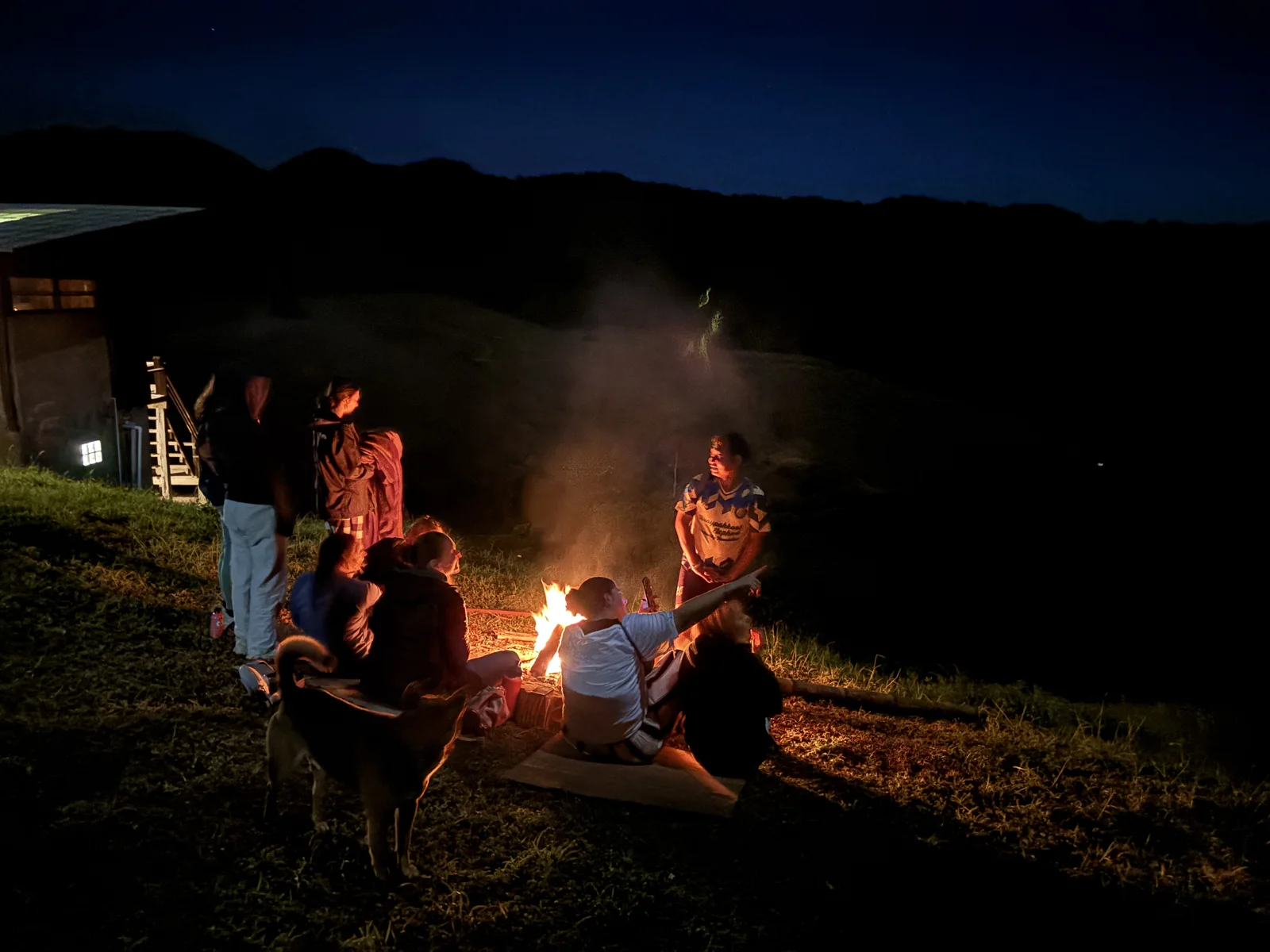
SHAPED AROUND YOUR GROUP
A starting point
for planning.
Tell us your students’ ages, approximate group size, preferred dates and educational priorities. These provide the starting point for discussing a tailored journey.
The experiences and practical details are agreed separately for each group.
Explore the learning possibilitiesLET’S START WITH A CONVERSATION
Where could curiosity
take your students?
Tell us about your group, your hopes and the learning you’d like to bring to life.
Start planning your journey